
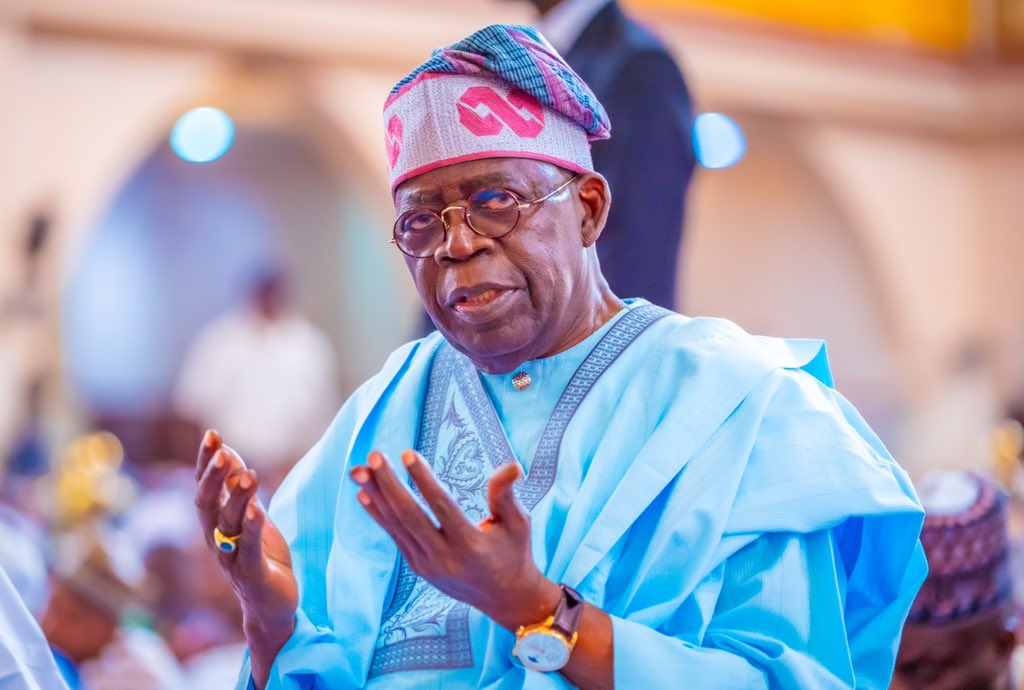
Tinubu’s 2026 Security Strategy: Why International Collaboration Is Key to Ending Terrorism
In a bold policy pronouncement for the coming year, President Bola Ahmed Tinubu has pledged to strengthen international collaboration as a key component of Nigeria's goal to eradicate terrorism by 2026. Nigeria continues to face a number of security difficulties, including insurgency in the Northeast, banditry in the Northwest, and kidnappings throughout numerous regions, and the administration's shift toward global cooperation represents a significant strategic shift.
Understanding the Security Landscape in Nigeria
Nigeria's security situation is complex and multifaceted. Decades of insurgency from groups such as Boko Haram and ISWAP, the rise of heavily armed bandit groups, communal confrontations, and the spread of violent crime have made internal security one of the country's top priorities. Despite ongoing military operations, these dangers have proven adaptable and resilient.
Traditional domestic techniques, while vital, are no longer sufficient by themselves. Recognizing this, President Tinubu's 2026 security strategy focuses on constructive collaborations with foreign governments, regional blocs, and international organizations.
Why International Collaboration Matters
1. Shared intelligence and real-time information.
Terrorist networks frequently transcend borders, making real-time intelligence critical. Collaboration with international partners enables Nigeria to:
Access satellite and aerial surveillance.
Share actionable intelligence.
Track cash flows associated with extremist networks.
Coordinate cross-border efforts.
This method enhances early detection and preemptive action against terror cells that would otherwise avoid local forces.
2. Training, Equipment, and Capacity Development
Foreign cooperation can involve advanced military training and technology transfer. Countries such as the United States, United Kingdom, France, Turkey, and regional neighbors can offer:
Specialized counterterrorism training
Drone and ISR (Intelligence, Surveillance, and Reconnaissance) support
Advanced communication systems.
Logistics and battlefield medicine improvements
Such assistance strengthens Nigeria's military capabilities while minimizing the drain on limited government resources.
3. Joint Operations and Strategic Coordination.
Terrorism does not recognize national boundaries. Nigeria's neighbours, Niger, Chad, Cameroon, and Benin, face comparable concerns. By coordinating efforts with regional security institutions such as ECOWAS and the Multinational Joint Task Force (MNJTF), Nigeria can:
Dismantle terrorist networks across porous borders.
Stop militants from utilizing safe havens.
Conduct joint raids and rescue missions.
Strengthen regional peace and stability.
Collaboration in military operations ensures that terrorists have nowhere to hide.
International Support So Far
President Tinubu's administration has previously expressed desire to collaborate with international partners. High-level meetings with foreign ambassadors, military attachés, and defence ministers have demonstrated Nigeria's willingness to align strategic interests.
These diplomatic initiatives reflect a greater recognition that no country can battle modern terrorism alone.
Balancing Sovereignty and Partnership
While seeking international assistance, the administration emphasized that:
All cooperation must respect Nigerian sovereignty.
Foreign forces should operate inside established legal frameworks.
Nigerian security authorities will lead any collaborative operation.
Local expertise and community insight are critical.
This balance ensures that collaborations remain collaborative rather than directive.
Public Perception and Civil Society
Tinubu's announcement has elicited varied reactions in Nigeria:
Supporters of the strategy claim that global collaboration brings:
New insights and enhanced tools.
Increased pressure on terrorist funders.
Expanded diplomatic leverage
Quicker resolution of kidnappings and attacks.
Critics, however, warn against overreliance on foreign actors, claiming that long-term stability necessitates domestic solutions and fundamental adjustments to Nigeria's security architecture.
Civil society organizations have called for:
Transparent agreements.
Protection of Human Rights
Inclusive community engagement.
Clear communication with residents regarding the goals and limitations of partnership
What Does This Mean for 2026 and Beyond
President Tinubu's dedication to international cooperation is more than just symbolic; it reshapes Nigeria's security strategy. By encouraging worldwide help while maintaining strategic autonomy, the administration hopes to tackle terrorism with:
Shared resources.
United political will
Coordinated execution.
If effectively implemented, the 2026 approach has the potential to significantly undermine terror networks, restore government control in difficult areas, and alleviate the dread and disruption that has plagued millions of Nigerians.
Conclusion
In a world where terrorism has spread beyond local conflicts to global networks, Nigeria's security policy for 2026 reflects reality and strategic insight. International collaboration provides the essential leverage, technology, and shared commitment to address problems that are too complex and dispersed for a single country to handle alone.
President Tinubu's emphasis on coordinated global action highlights a fundamental truth: peace is not accomplished in isolation, but rather through unity, shared resolve, and mutual support.


 Posts
Posts


2 Comments
Strategy is germane in resolving insecurity issues in a muti- cultural and mutual- lingual society like ours
ReplyDeleteA national joint task-force is also urgently need to ameliorate the insecurity issues across the country.
Well done Mr president
ReplyDelete