
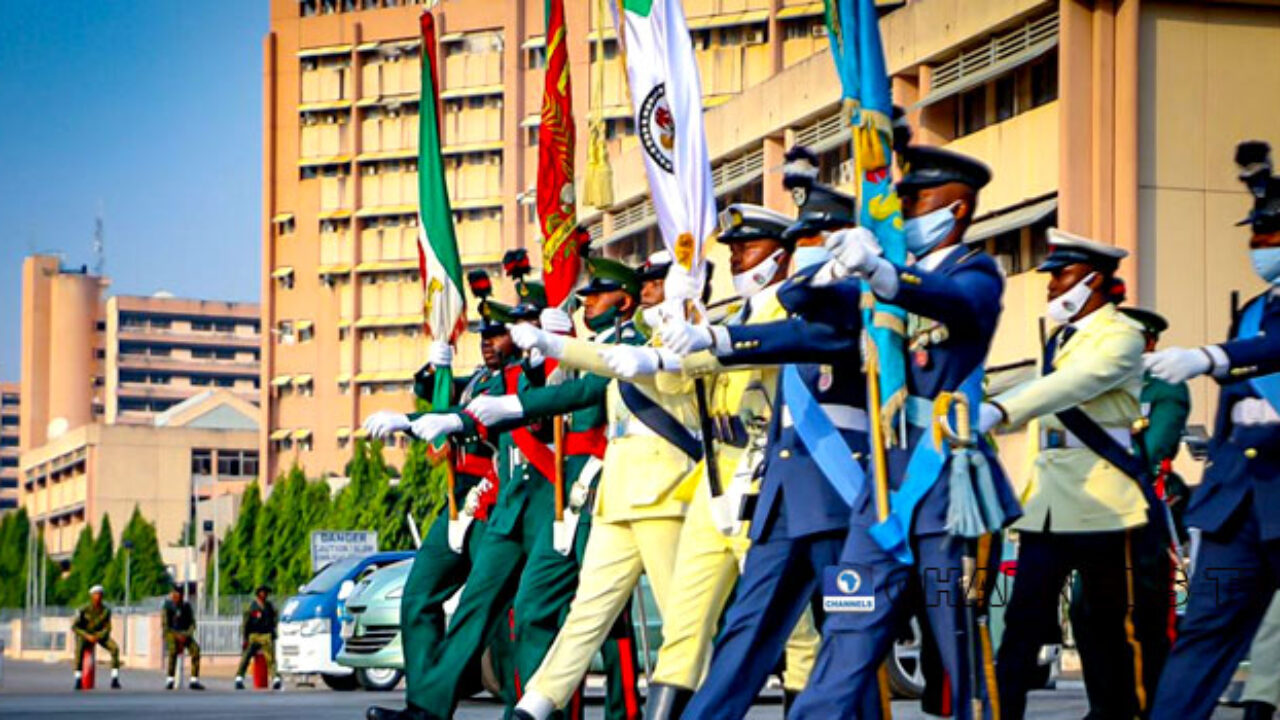
Armed Forces Day: Honouring Sacrifice Amid a Nation in Crisis
Global Observance: Countries such as the United Kingdom (Armed Forces Day in June), India (Army Day, Navy Day, and Air Force Day), and many others have their own dates, which are frequently associated with historic military triumphs or the establishment of service branches.
Traditional Purpose: The main purpose has always been:
To honour present serving personnel.
To honour the contributions of veterans and the deceased.
To educate the public about the military's role.
Promote national solidarity and patriotism.
Internal strife can be defined as deep political polarization, civil disturbance, or a government's legitimacy crisis. The military can be viewed as either a stabilizing pillar or a potential political actor, making tributes to it more complicated.
Economic collapse includes widespread poverty, inflation, and unemployment. Soldiers' sacrifices are contrasted with civilians' problems, and discussions about military funding heat up.
External threats include active military conflict, increased border tensions, and cyber warfare. The day becomes inextricably linked to continual risk and the immediate cost of war.
The Ultimate Sacrifice: Remembering those who perished in current or previous battles takes on a raw, urgent feel. Their sacrifice is not only historical, but also a reflection of current national pain.
The Burden of Service: Active-duty personnel may be deployed domestically to assist civil authorities, stretching them thin and placing them in politically difficult positions. Their sacrifice entails bearing the twin load.
Families Under Stress: Military families face not just the threat of foreign deployment, but also the same economic and social challenges as their civilian counterparts, often while a spouse is absent. Their resilience turns into a type of sacrifice.
Conclusion: A Day of Reflection, Not Just Celebration
In a nation in crisis, Armed Forces Day transcends mere ceremony. It becomes a national mirror.
It is a day to:
Reflect on the true cost of security and stability.
Question the social contract between the military, the state, and the citizenry.
Reaffirm the values—duty, loyalty, sacrifice—that are essential for navigating the crisis.
Recognize that the sacrifice honoured is not confined to the past but is being lived daily by service members, their families, and indeed, by a nation struggling to endure.
Ultimately, it is a day when a country, by looking at those who pledged to defend it unto death, is forced to confront its own fragility, its divisions, and its enduring spirit. The greatest honour we can give to the armed forces in such a time is not just applause, but the sober commitment to forge a nation worthy of their sacrifice.


 Posts
Posts


0 Comments