
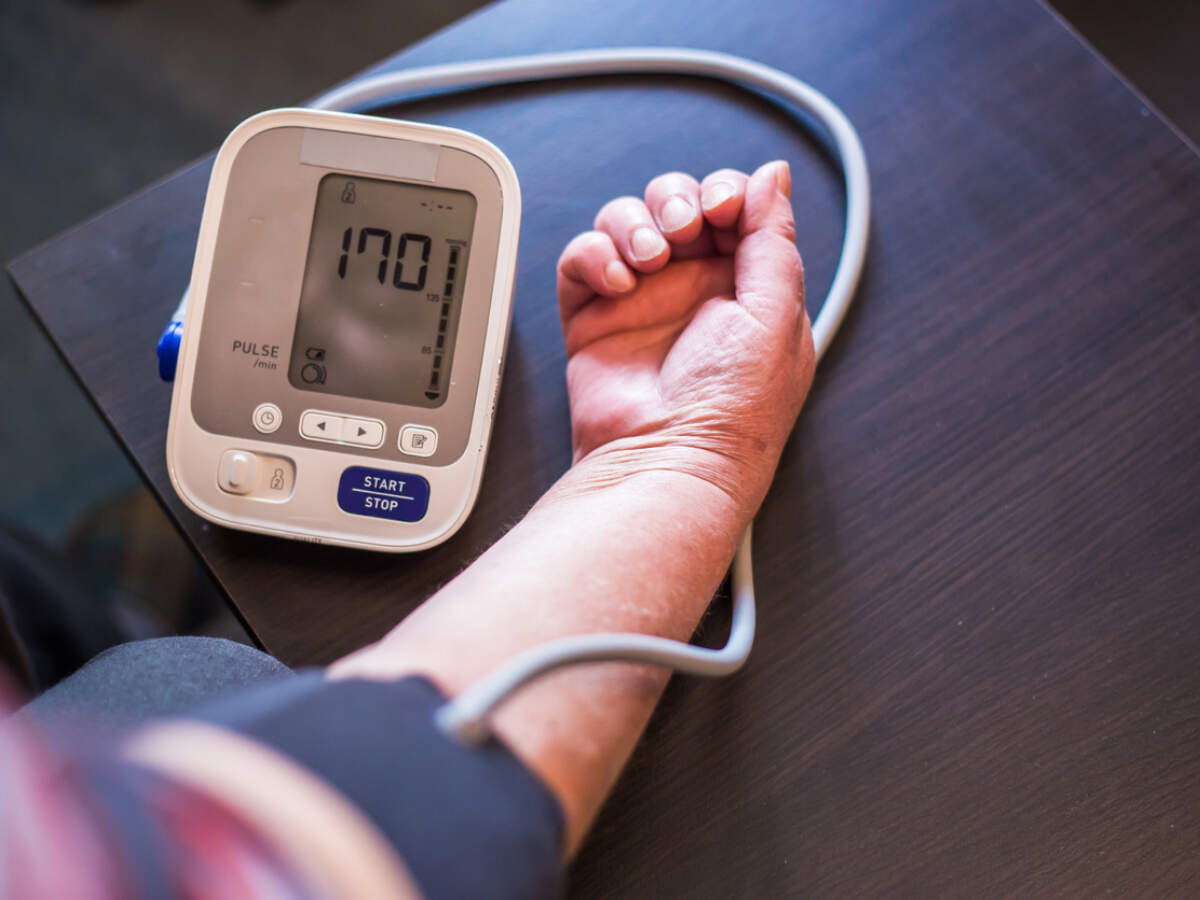
The Silent Killer: Why Regular Medical Check-Ups Are Essential for High Blood Pressure
High blood pressure, often known as hypertension, is commonly referred to as "the silent killer"—and with good cause. Millions of people are unaware that they have it because it rarely manifests itself until significant damage has happened. Regular medical check-ups are thus not a luxury, but a life-saving requirement.
What Is High Blood Pressure?
Blood pressure measures the force of blood against the walls of your arteries. When this pressure is too high for an extended period of time, it puts strain on the heart and destroys blood vessels.
A normal blood pressure level is less than 120/80 mmHg. Readings continuously above 140/90 mmHg indicate hypertension and necessitate medical intervention.
Why High Blood Pressure Is Called the Silent Killer
The majority of people with high blood pressure feel fine. There may be no pain, dizziness, or warning signals. Meanwhile, the disease slowly harms important organs like:
Heart (causes heart attacks and failure)
Brain (raises the risk of stroke)
Kidneys (leading to renal failure)
Eyes (causing visual loss).
Blood vessels (causing arteries to stiffen)
By the time symptoms like chest pain, headaches, or shortness of breath develop, severe Harm may have already been done.
The Importance of Regular Medical Check-Ups
1. Early detection saves lives.
Routine check-ups allow doctors to detect high blood pressure early, before issues arise. Early detection makes it easier to prevent and repair damage.
2. Monitoring prevents complications.
Regular monitoring helps those who have already been diagnosed to ensure that their blood pressure remains within a healthy range and that their medications are successful.
3. Personalized Medical Advice.
Doctors can evaluate risk variables such as age, family history, weight, and lifestyle before recommending individualized treatment options.
4. Prevention is better than cure.
Even if your blood pressure is now normal, routine check-ups can help prevent future issues by detecting early warning signs.
Diet and Lifestyle: An Important Aspect of Control
Medical check-ups are most effective when accompanied by healthy lifestyle choices. Diet has a significant impact on blood pressure management.
Foods to Reduce or Avoid
Excess sodium and processed foods
Fried and fatty dishes.
Sugary beverages and excessive booze.
Foods That Can Help Control Blood Pressure
Fruits and vegetables (oranges, bananas, spinach)
Whole grains
Lean proteins (fish, beans, and poultry)
Low-fat dairy products.
Healthy fats (olive oil and nuts)
Doctors frequently advocate the DASH diet (Dietary Approaches to Stop Hypertension), which has been shown to reduce blood pressure.
Who Needs Regular Blood Pressure Checks?
Everyone—but particularly:
Adults above 30 years.
Individuals with a family history of hypertension.
People who are overweight or inactive
Smokers and heavy alcohol users
Individuals with diabetes or renal disease
Even young adults aren't immune. Hypertension is becoming more common in young people as a result of poor diet and sedentary lifestyles.
How Often Should You Get Checked?
Healthy adults: At least once each year.
High-risk individuals: Every 3-6 months, or as directed.
Diagnosed patients: As frequently as advised by a doctor.
Home blood pressure monitoring can supplement clinic visits, but it should never replace expert medical examinations.
Conclusion: Do not Wait for Symptoms.
High blood pressure does not declare itself, yet the effects can be fatal. Regular medical check-ups are the most straightforward and effective strategy to preserve your heart, brain, and overall health.
Measure your blood pressure. Eat wisely. Stay active. Visit your doctor.
Your life may depend on it.


 Posts
Posts


0 Comments