
Mohammed Badaru Abubakar
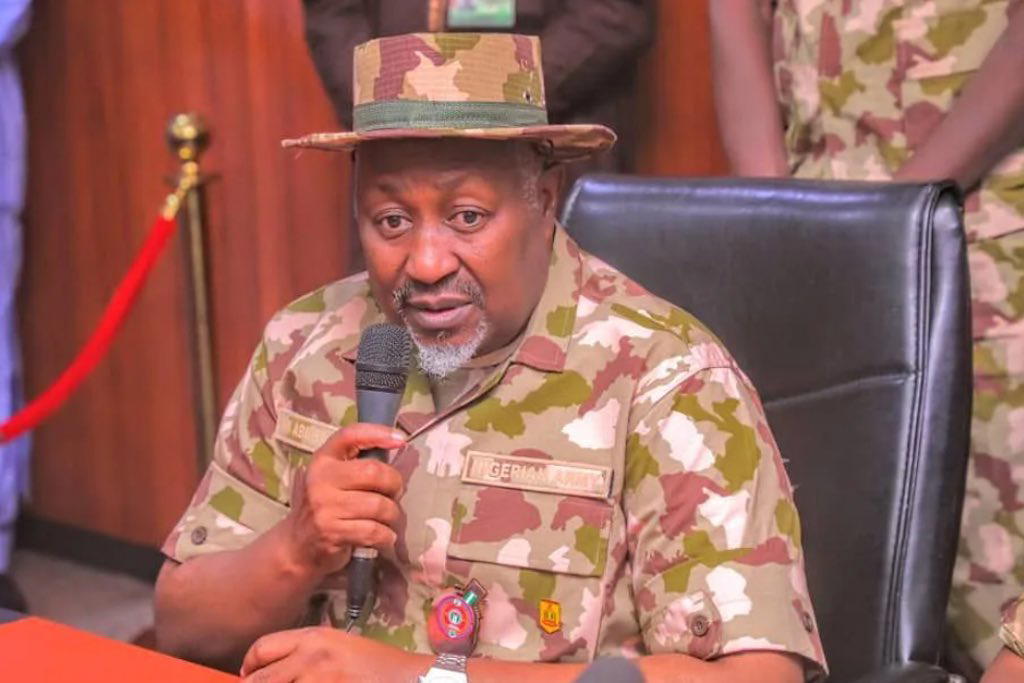
A incumbent Minister of Defence's abrupt departure is never a normal administrative event in Nigeria's high-stakes political and security arena. It is a political earthquake that causes vibrations in the corridors of power, the security establishment, and the public mind. The resignation of Alhaji Mohammed Badaru Abubakar, CON, mni, from President Bola Tinubu's cabinet necessitates a multifaceted analysis that goes beyond official press releases to investigate the confluence of political pressure, operational challenges, and personal calculus that likely precipitated this significant departure.
While the official story, stated in his resignation letter and echoed by presidential spokespersons, emphasizes a pressing need to focus on the rising political situation in his home state of Jigawa, this explanation leaves a door open, rather than closing the case. To understand why a key figure would step down from one of the most important positions in the country at a time of profound security challenges, we must look at the powerful interplay of three primary factors: the untenable weight of the security portfolio itself, the relentless pressure of sub-national political loyalties, and the inherent limitations of a technocratic leader in a politically volatile environment.
The Sisyphean Burden: The Defence Portfolio in a Country Under Siege
First and foremost, any study must begin with the enormity of Mohammed Badaru's position. Badaru, a prominent businessman and former two-term Governor of Jigawa State, was appointed Minister of Defence in August 2023. He inherited an existential security situation. Nigeria's security landscape is a hydra-headed monster: the resilient jihadist insurgency of Boko Haram and ISWAP in the Northeast; the catastrophic epidemic of banditry, kidnapping, and rural violence in the Northwest; simmering separatist agitation and enforcement in the Southeast; and the ongoing farmer-herder clashes in the North Central region.
Badaru's Ministry of Defence was tasked with overseeing a military organization that was frequently described as overburdened, understaffed, and morale-challenged. Despite rare tactical victories—airstrikes on terrorist sites, the rescue of some kidnapped victims—the overall story remained one of unending carnage. Communities in Zamfara, Niger, and Kaduna states remained in terror. The December 2023 massacre in Plateau State, which killed hundreds, served as a terrible reminder of the security architecture's incapacity to protect citizens. Badaru, as Defence Minister, became the face of this conflict, taking the brunt of public dissatisfaction, media criticism, and attacks from political opponents. The role is, in many ways, a poisoned chalice—where failures are quick and visceral, while victories are slow, difficult, and often Invisible to a wounded public. The psychological and reputational costs of witnessing an apparent unwinnable war cannot be overstated as a factor in his decision to step back.
The Call of Home: Jigawa's Political ImperativeThe claimed cause for Badaru's resignation—a political crisis in Jigawa is both genuine and substantial. In Nigerian politics, the home base is more than just a constituency; it is the bedrock of power, the source of political wealth, and the ultimate insurance policy. According to reports, there is a growing schism inside the Jigawa State branch of the All Progressives Congress (APC), jeopardizing the party's stability and future electoral prospects. As the most recognizable political figure According to Jigawa—a former governor and national kingmaker within the APC Badaru's physical and political presence on the ground is critical for firefighting.
This represents a basic struggle between national responsibility and subnational political survival. Allowing his home base to splinter could be a career-ending blunder for Badaru, reducing his power inside the party and eroding his support network. The federal cabinet position, no matter how prominent, is appointed at the pleasure of the President. Jigawa is the source of his political capital. When faced with a choice between managing a national crisis with insurmountable complications and defending his core political zone, the latter may have presented a more tangible, if narrower, path to retaining his long-term influence. His Resignation, then, can be interpreted as a strategic priority: retiring to secure his principal source of power in order to fight another day.
The Technocrat in the Storm: A Mismatch of Skill and Arena?
A third, more subtle element is Badaru's background and the nature of the part. Mohammed Badaru earned a reputation as a pragmatic, fiscally conservative manager—the "Digital Governor" who was credited with increasing Jigawa's internal revenue and running a relatively efficient administration. The Defence Ministry, on the other hand, is more of a strategic, almost warlord-like mandate that necessitates a thorough understanding of military doctrine, intricate inter-service rivalries, and the dismal mathematics of asymmetric warfare.
Badaru's resignation has immediate and significant consequences. For starters, it signifies a dramatic reshuffle within President Tinubu's inner circle, removing a valued ally and important figure from the Northern political bloc from a critical security position. Second, it creates a vacuum at the top of the defence architecture at a vital juncture, potentially affecting policy continuity and momentum in current operations.
President Tinubu's immediate selection of former Chief of Defence Staff General Christopher Musa as the new Minister-designate is a direct response to these difficulties. This change implies a deliberate shift from a political-managerial model to a warrior-professional one. This is an Recognizing that the security situation necessitates not only administration, but command. It also implicitly confirms the notion that the post necessitated a distinct skill set, one that General Musa, with his frontline experience in the Northeast, is thought to possess.
Finally, Mohammed Badaru's resignation as Minister of Defence was the result of a series of demands. It was most likely a combination of factors: the crushing weight of a nation's security expectations, the irresistible pull of a developing domestic political storm, and the possibility of a mismatch between his abilities and the demands of the post. His departure is a striking reflection on the status of Nigeria's security a crisis so large that may consume even the most dedicated leader—and on the powerful, sometimes overwhelming, influence of local politics in the Nigerian federation. It signifies the end of a particular approach to the defense portfolio and ushers in a new, more militarily focused chapter under General Musa. The nation is now waiting to see if this personnel turnover will result in a change in fortune on the battlefields that define its daily existence. Badaru's strategic retreat from Abuja may benefit Jigawa, but whether it benefits Nigeria is determined by the success of the hand poised to take the helm.


 Posts
Posts


0 Comments